You are here: Home » Project updates »
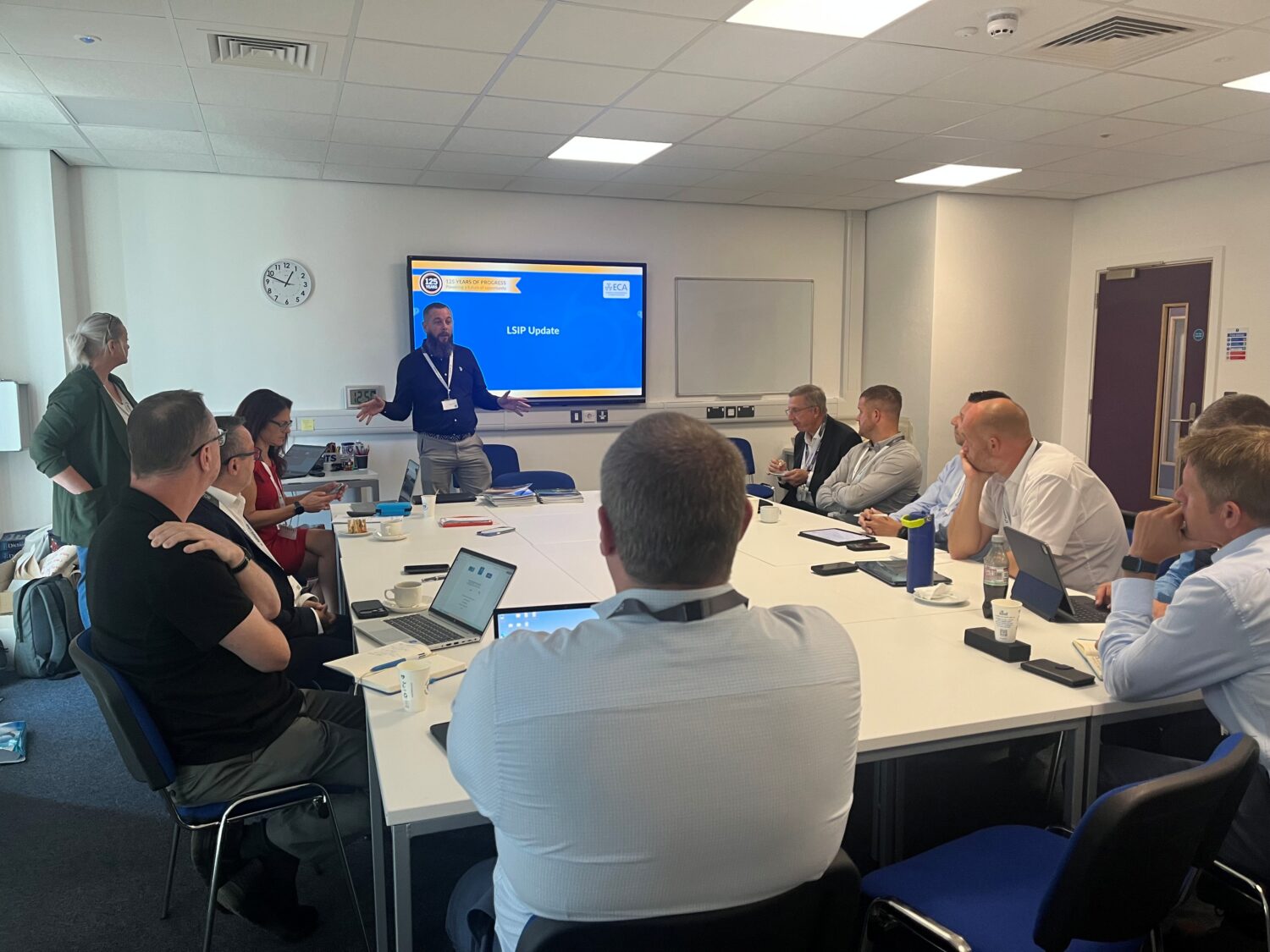
The Kent & Medway Electrotechnical Training and Careers Alliance (ETCA) met at EKC Ashford College for its third meeting of 2026, bringing together employers, education providers and key stakeholders to strengthen collaboration between industry and education and help address the region’s electrotechnical skills needs.
The meeting provided members with an opportunity to review progress made since the group’s previous sessions and explore how the recently published Construction & Built Environment Local Skills Improvement Plan (LSIP) can support the development of the future workforce.
The latest LSIP update was delivered by Camilla Maurice, who outlined the key findings and priorities identified through extensive employer engagement across Kent and Medway. The discussion focused on the significant role the electrotechnical sector will play in meeting future skills demands, including addressing workforce shortages, supporting net zero ambitions and ensuring learners are equipped with the skills required by employers. The update highlighted the importance of strengthening progression routes, embedding digital and low-carbon competencies and increasing employer involvement in skills development.
Members also received an update from the Electrical Contractors’ Association (ECA), delivered by Keith Sanderson, which explored recent policy developments, apprenticeship reforms and ongoing work to ensure national skills initiatives better reflect the needs of the electrotechnical sector. Discussion included developments around apprenticeship standards, curriculum reform, regional skills planning and opportunities for employers to engage with new government initiatives supporting workforce development.
A key focus of the meeting was a curriculum co-design workshop facilitated by Aneta Armova-Levin from the ECA and Mark Andrews of North Kent College. The interactive session encouraged employers and providers to work together to define what “work ready” means for the sector, identify the technical skills and behaviours businesses value most and explore how learners can be better prepared for apprenticeships and employment.
The workshop also considered how employer-endorsed curriculum models can strengthen industry relevance, helping colleges and training providers align learning with real workplace requirements while creating clearer progression routes into the sector. Through collaborative discussion, participants explored practical ways employers can support delivery through activities such as site visits, mentoring, masterclasses and work placements.
Since its launch, ETCA has become an increasingly important forum for bringing together employers, providers and industry bodies to support skills development across Kent and Medway. The alliance has already contributed to the development of a regional skills offer, strengthened collaboration between employers and education providers, continued to provide employer intelligence to inform LSIP activity and explored approaches to improving learner progression and apprenticeship readiness.
The continued commitment and expertise of ETCA members is helping ensure that local skills provision remains aligned with industry needs and that learners are equipped with the knowledge, behaviours and practical experience required to succeed in the workplace.
The Kent & Medway LSIP would like to thank everyone who attended and contributed to the discussion and extend particular thanks to EKC Ashford College for hosting the meeting.